SEQUENCE
The phases and the timing
The sequence is built so that at the end of each stretch there is a decision to take, and not merely a progress to note.
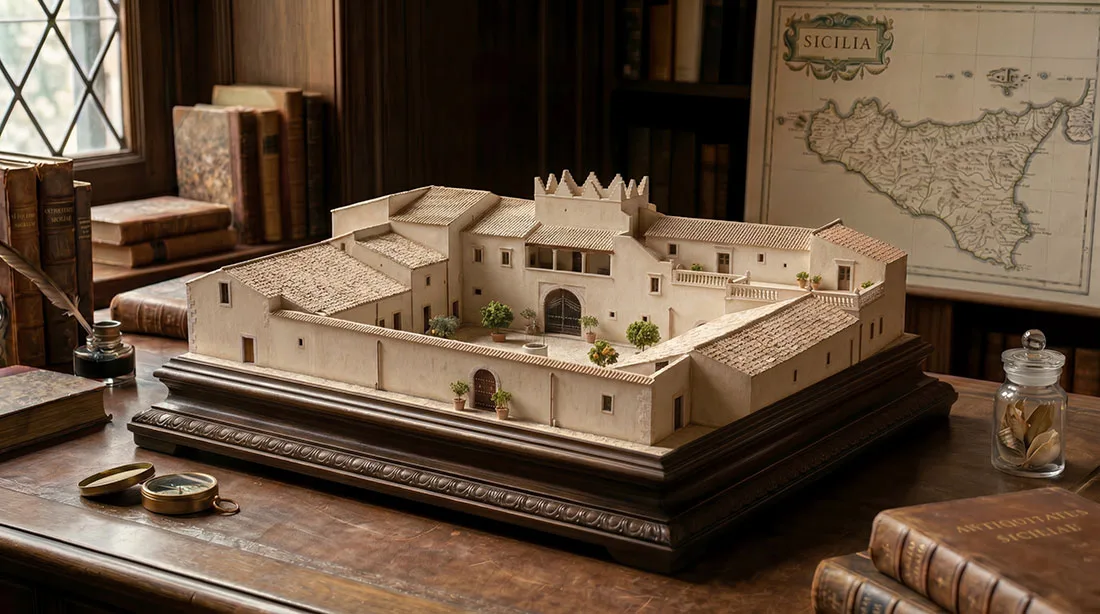
Current phase: control of the property
Eighteen months. Purchase option or long-dated preliminary contract; engagement of the engineer, survey of the buildings, verification of planning and cadastral compliance, bill of quantities; constitution of the legal entities with statutes, internal rules and arbitration rules; preliminary restoration design and filing of the building application; missions to Fez to identify the masters.
The decision at the end: whether the statutes survive the encounter with a notary and a lawyer without losing their substance, and whether the verified cost of the restoration stays within the order of magnitude declared. If the two figures diverge, it is the document that must be updated, and not the estimate that must fall into line.
Next phase: acquisition and restoration
Acquisition, restoration of the two thousand five hundred square metres, workshops, fitting out, technical fees, remuneration of the masters and of the first intakes of apprentices for three years, working capital. Structural works proceed with qualified firms; the operations compatible with learning are carried out by the masters with their apprentices, who therefore enter the house while the site is still open.
The decision at the end: whether masters of recognised standing accept the terms, arbitration clause included. It is the test that comes before all the others and that no document can anticipate.
First three years of activity
Completion of the disciplines, opening of the internal market towards a second house if one exists, and first external sales. The revenue from the sale of work is measured from the sixteenth month and reported, rather than estimated in advance.
The house is not expected to break even within three years, and any document that claimed so for a school of the crafts should be viewed with suspicion. What three years must establish is whether the work sells at prices that sustain the crafts, and in what fraction of the total cost. That fraction, measured rather than asserted, is the number on which a second house is decided.
At the end of the third year
Review against the conditions of failure, and publication of the statutes and of what has been learned. The options are three: to found a second house, to amend the statutes, or to stop.