PEOPLE
Who we are looking for
The two halves of the house are already here and have not yet met. The work of the first eighteen months consists largely in bringing them together.
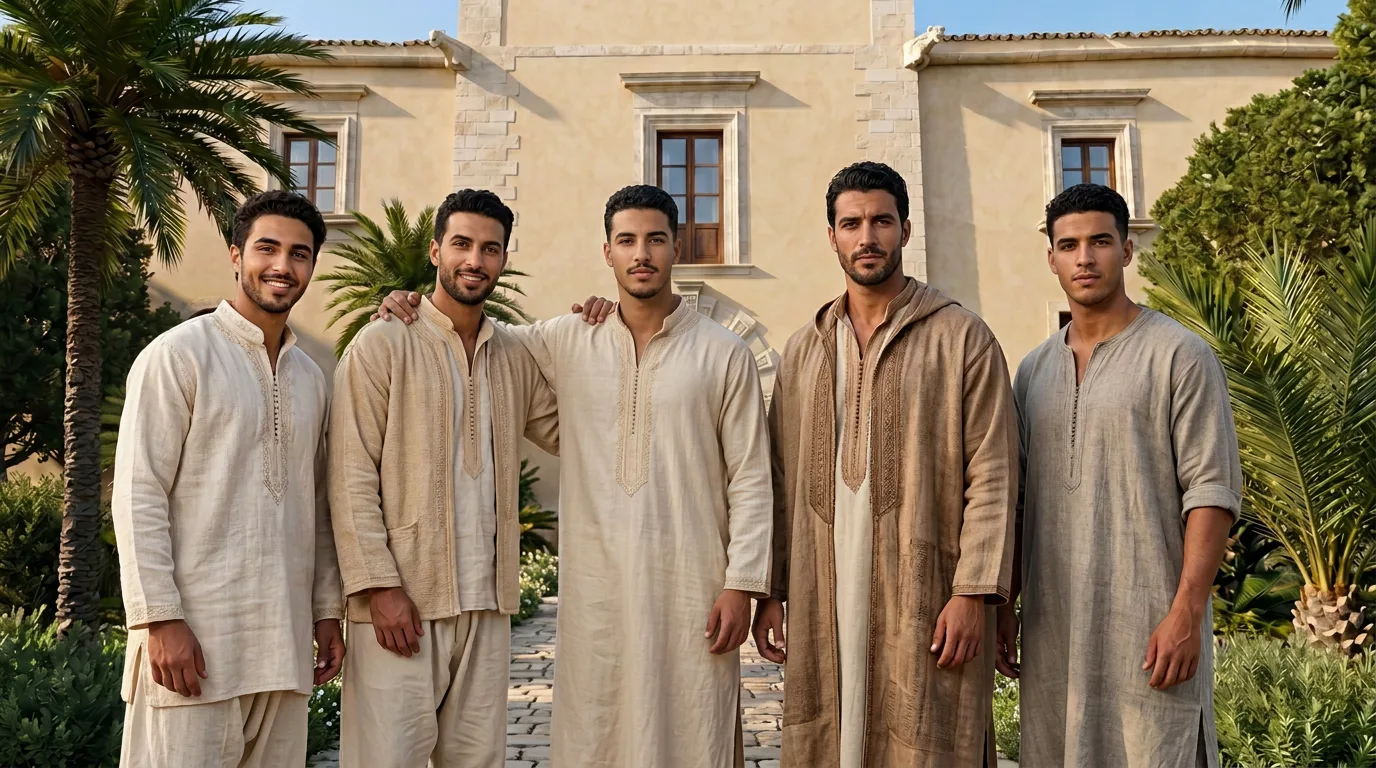
Masters
Six at full activity, two at the opening, of whom only one in the first year. A master receives a workshop, the materials, apprentices worth training and an income fixed for three years, in exchange for accepting rules he did not write and an arbitration clause.
Whether masters of recognised standing accept that exchange is the first real test of the model, and it comes in the seventh month rather than at the end. Among the conditions that would count as a negative verdict, the first is precisely this: that masters of standing decline the terms, and that the house can be staffed only by those who have no alternative.
Apprentices
Eighteen to twenty-four at full activity, twelve in the first intake. An apprentice receives a craft, a wage, a master who answers for his training and a place where his conduct is noticed. He is free to leave at any time with his own tools and with what he has learned.
Recruitment is carried out where the young population of the province is to be found, through the associations, the training centres and the cultural mediators of the agricultural district. Looking where people are and admitting by category are two distinct things, and the second the statutes forbid: selection is on aptitude and commitment, by individual application, and whoever comes forward with no tie to that district is assessed by the same criteria.
The service trades
Even a house of seventeen people that eats, works and receives guests needs kitchen, laundry and wardrobe, maintenance, farming and administration. At the opening they are three staff. They are positions with ordinary contracts, and whoever holds them can be a member like anyone else. Not included in this count are the outside professionals engaged for a single activity and present during the hours in which that activity takes place: the riding instructor, the federation coach for calisthenics and contact sports, and those in charge of the hammam.
Scholars, designers, clients
Interlocutors of another kind are also needed: an engineer and a restorer who know the historic buildings of the Iblei, a lawyer and a notary for the constitution of the entities, Arabists for the review of the texts, and clients willing to order real work from the workshops from the first year. The last is the form of support that is needed most and offered least.